
Broken Main Water Line? A Homeowner's Guide to Water Line Repair in Woodstock GA
This guide covers the most common warning signs of a broken main water line and explains when Woodstock, GA, homeowners should seek water line repair in Woodstock GA rather than attempting a DIY fix. A failing main water line can waste thousands of gallons, spike your utility bills, and silently damage your property for weeks before you notice anything obvious.
What Is a Main Water Line and Why Does It Fail?
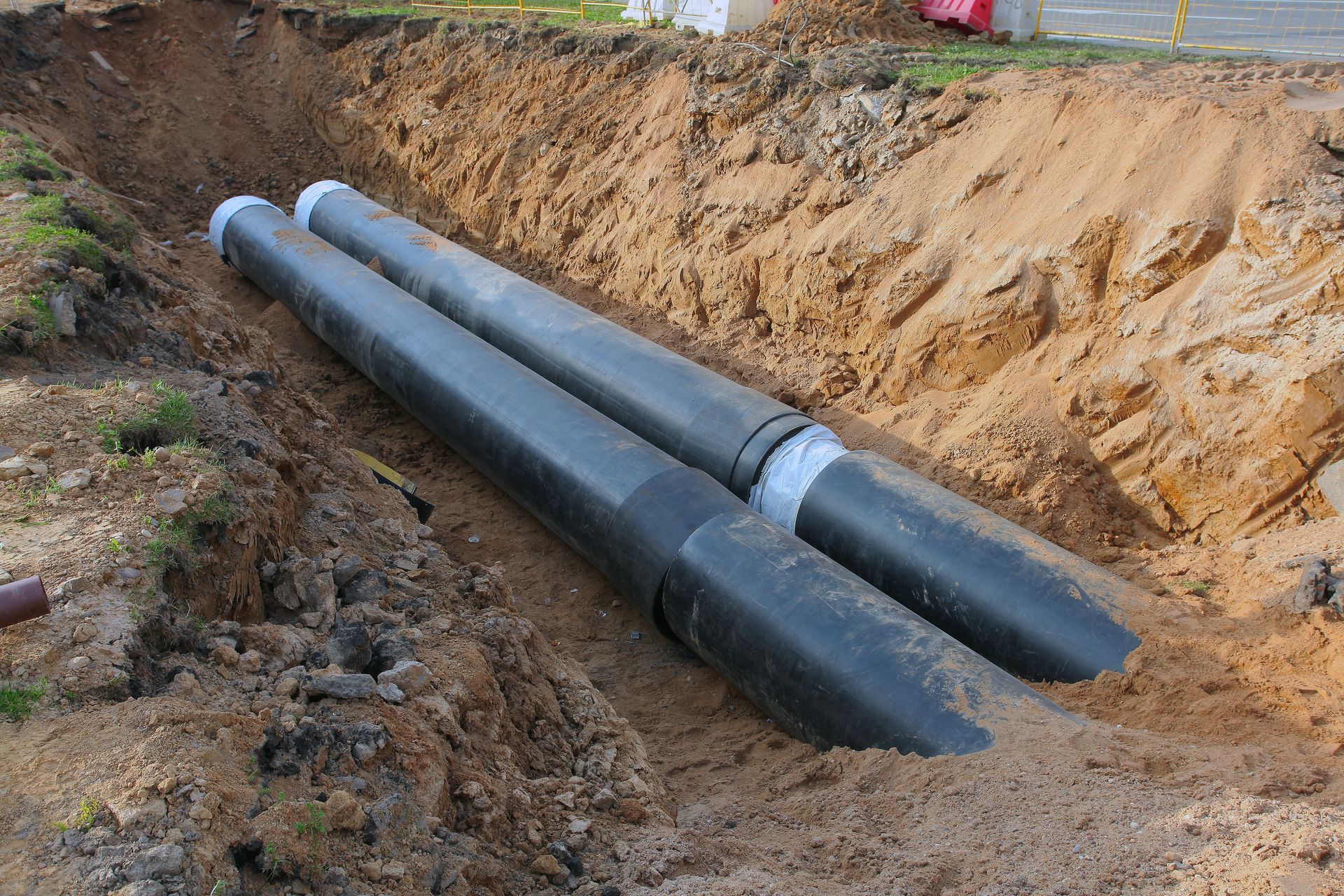
Your main water line carries fresh water from the municipal supply to your home. When it fails, every faucet, appliance, and fixture in the house can be affected.
In Woodstock, GA, Cherokee County's heavy red clay soil expands when saturated and contracts during dry spells, stressing pipe joints over time. Add Georgia's seasonal temperature swings, mature tree roots common in neighborhoods near Woodstock Towne Lake and downtown, and pipes that may be 20 or more years old, and you have conditions that accelerate underground wear. Tree roots are drawn to moisture around water lines and can work into joints. Older galvanized or clay pipes are especially vulnerable to corrosion and cracking under these conditions.
5 Warning Signs Your Main Water Line May Be Broken
Wet Spots or Soggy Patches in Your Yard
An area of lawn that stays wet or unusually green without recent rainfall is one of the most visible clues. Check the strip between your water meter and your foundation. Pooling water or muddy patches in that zone often indicate a leak below the surface and are usually enough reason to call for water line repair in Woodstock GA before damage spreads.
Sudden Drop in Water Pressure
Low water pressure throughout the entire house, not just one fixture, often points to a main line issue. If your showers, dishwasher, and washing machine all seem weaker at the same time, that combination warrants a professional evaluation.
Unexplained Spike in Your Water Bill
Compare your last two or three water bills. A sudden increase with no change in household habits may indicate water is escaping underground before it ever reaches your taps. Even a slow leak can add significant volume each month. Scheduling water line repair in Woodstock GA early prevents the waste from compounding across multiple billing cycles.
Discolored or Rusty Water
Water from your taps should always run clear. Brown, orange, or cloudy water can indicate a line break has allowed soil or rust into your supply. Do not dismiss discoloration as a minor inconvenience; it may signal a compromised line that poses a health concern.
Sinkholes or Depressions Forming in Your Yard
This is the most serious sign. A long-running leak can wash away soil and create a visible depression or sinkhole. If you notice new low spots between the street and your home, stop using water immediately and call a licensed plumber.
Cherokee County Soil Conditions and Why They Matter
Woodstock's red clay soil absorbs water slowly and holds it for a long time, keeping the ground around your pipes consistently moist. That sustained moisture accelerates corrosion in older metal pipes and puts steady pressure on joints as the soil shifts. For many Cherokee County residents, these conditions are the primary reason a repair becomes necessary earlier than expected.
Woodstock has also seen significant residential growth along Towne Lake Parkway, GA-92, and Arnold Mill Road. Newer homes may have modern PEX or copper lines, but older subdivisions near downtown can still have aging infrastructure installed decades ago. If your home was built before the mid-2000s, a professional inspection is worth scheduling even before symptoms appear.
When to Call a Pro vs. When to Wait
A dripping faucet or running toilet is a manageable DIY fix. A suspected main water line issue is not.
Call a licensed plumber immediately if you notice wet yard patches, a sinkhole, or brown water. Call soon if your water bill has spiked unexpectedly or whole-house pressure has dropped noticeably. If you see mildly fluctuating pressure with no other symptoms, monitor it for a few days, but scheduling an inspection is still the safer choice.
Digging into your own water line without proper tools and permits can create bigger problems. Cherokee County requires permits for water line work, and unlicensed excavation can damage other utilities in your yard. A licensed plumber uses leak detection equipment to pinpoint the problem without unnecessary digging, and ensures the work meets local code from the start.
How Does a Plumber Diagnose a Main Water Line Problem?
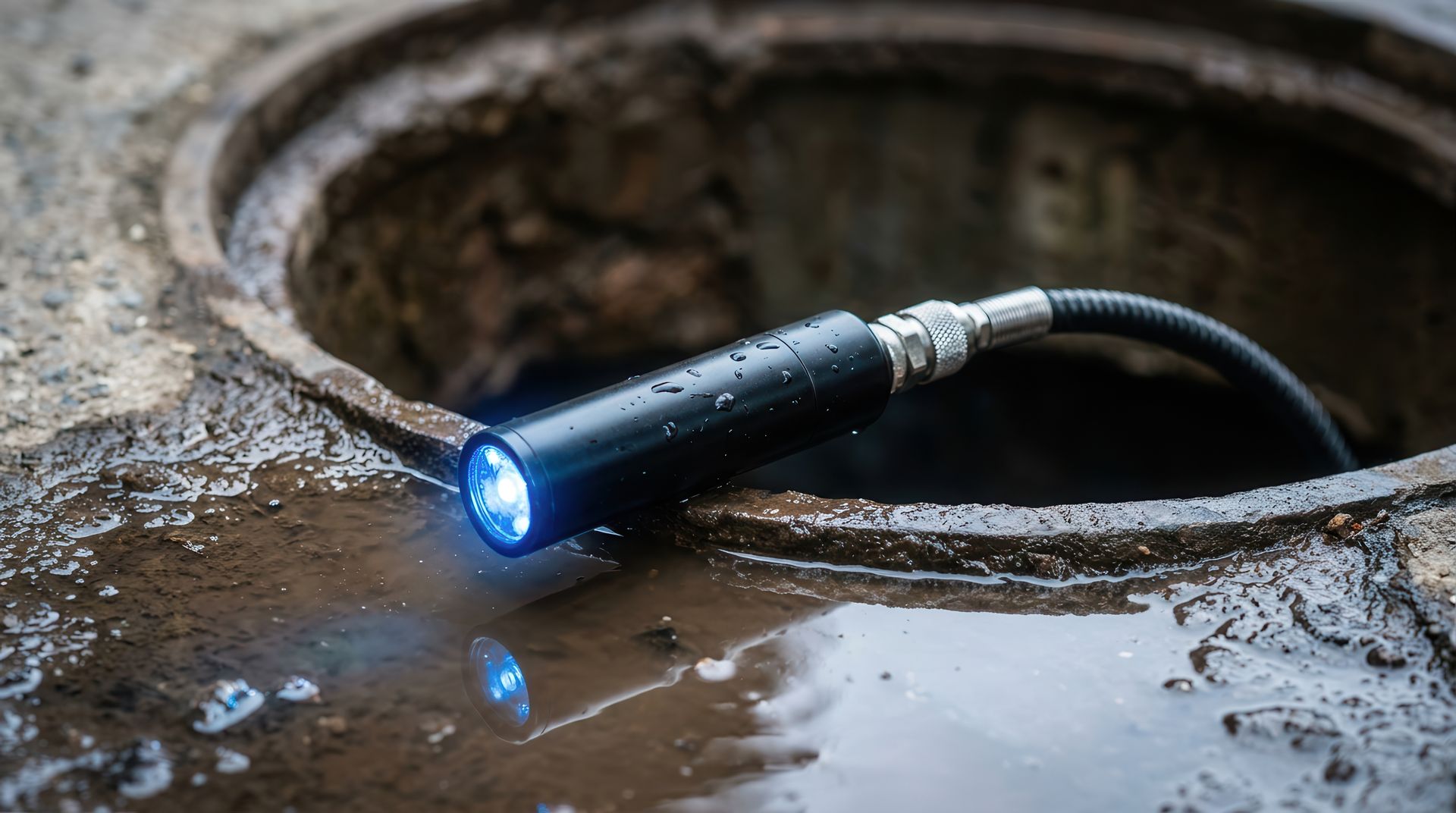
A licensed plumber typically starts with a pressure test to confirm the line is losing water. Acoustic leak detection or ground microphones then help pinpoint the location underground. If needed, a camera scope checks for cracks, root intrusion, or corrosion before any excavation begins.
Can a Broken Main Water Line Be Repaired Without Digging Up the Whole Yard?
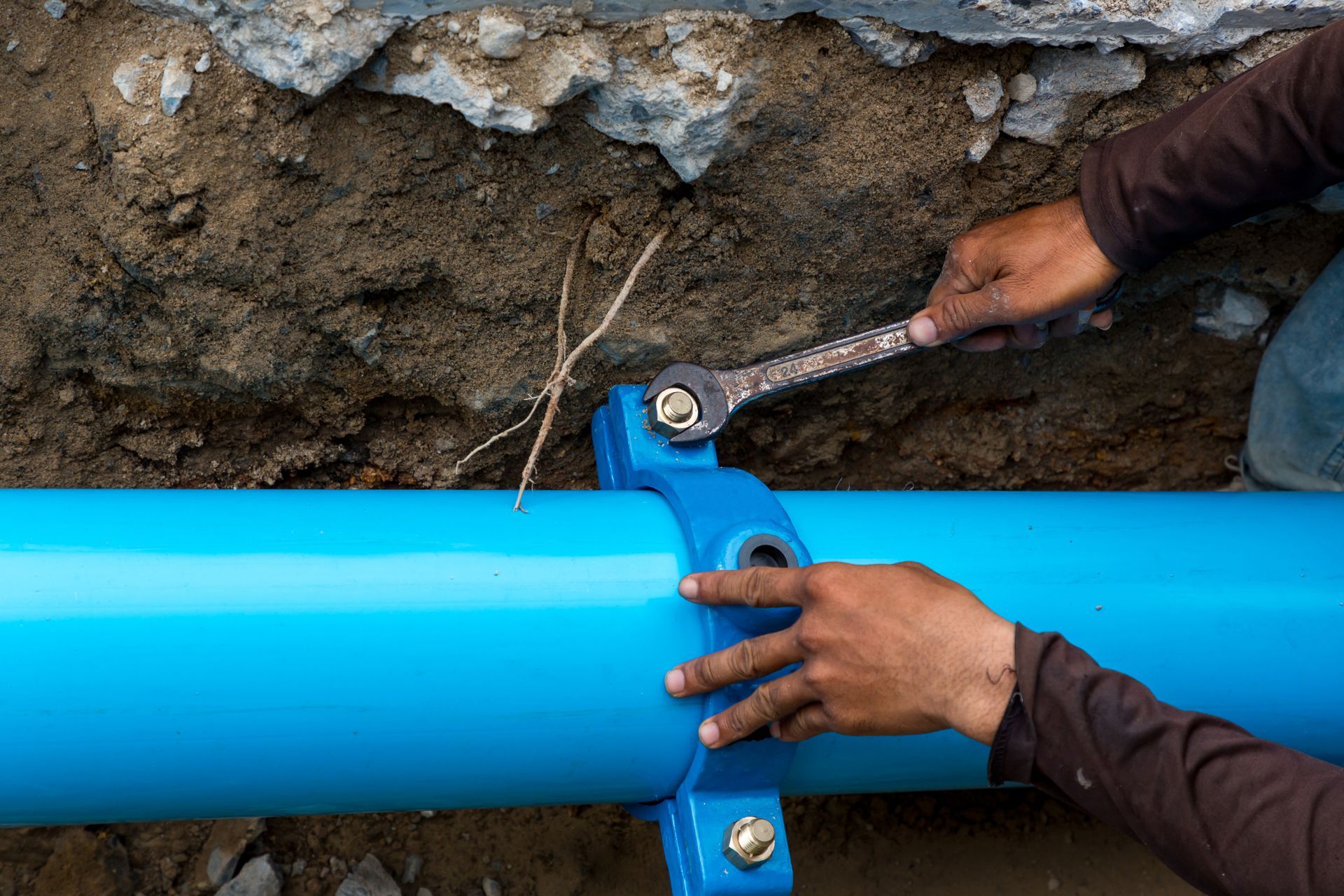
In many cases, yes. Trenchless methods such as pipe lining or pipe bursting can address a damaged section with minimal excavation. The right approach depends on pipe material, damage location, and extent of the break. Your plumber can recommend the best solution after completing the diagnostic inspection.
How Long Does Water Line Repair Usually Take?
Most residential water line repairs are completed in a single day. More complex situations, such as a full line replacement or a break near the foundation, may take longer. Your plumber should provide a clear timeline after the initial assessment.
Ready to Get Your Water Line Checked in Woodstock, GA?
If you have spotted any of these warning signs, acting quickly can prevent serious property damage and a much larger repair bill. Serving Woodstock, GA, Plumb Doctor offers professional water line services backed by over a decade of experience across the Greater Atlanta Metro area. The team is available 24/7, so a plumbing emergency never has to wait until morning. Visit the Woodstock plumbing services page to learn more, or call (770) 912-8922 now to schedule a diagnostic visit and get answers fast.
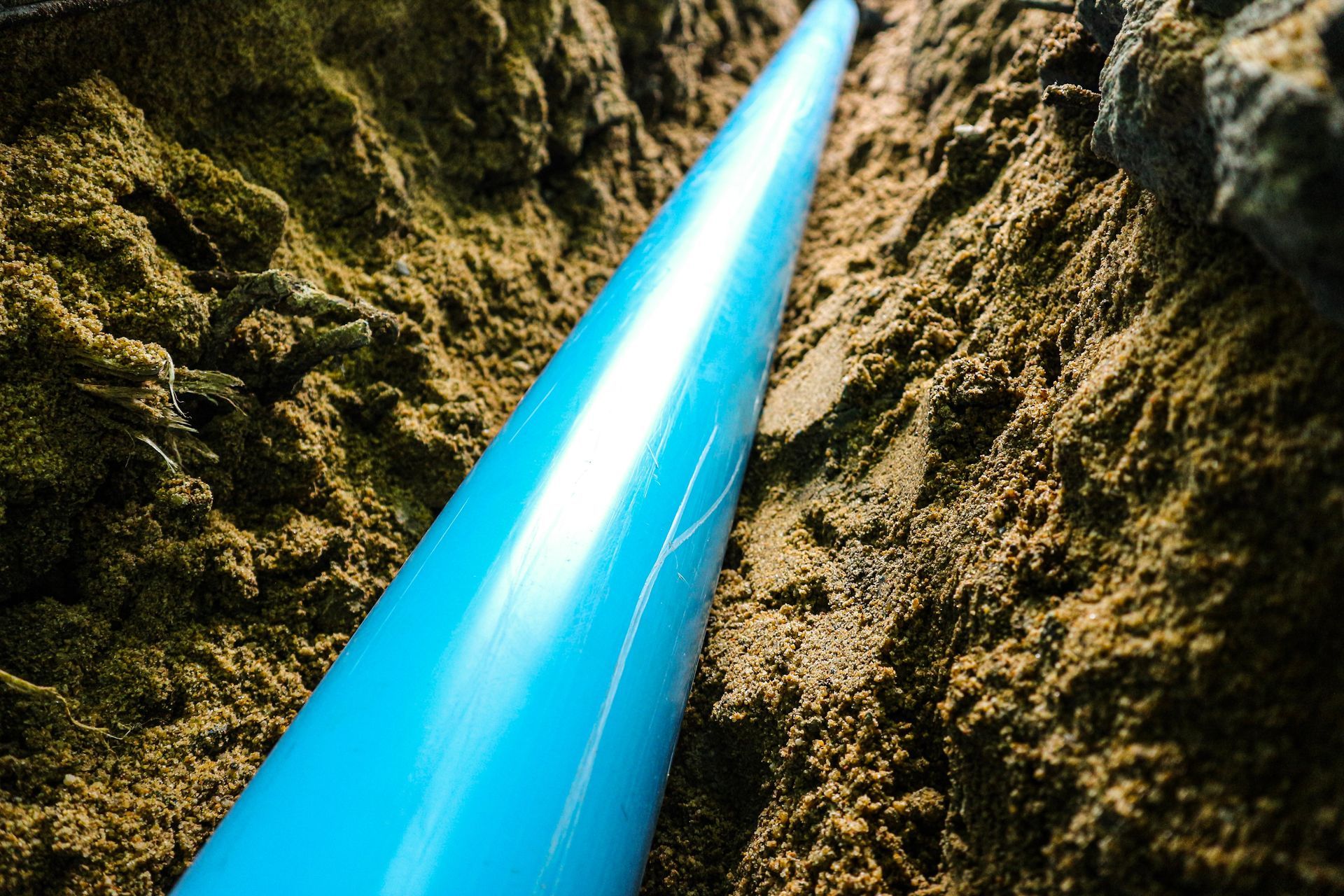
![Underground water line installed in a trench during utility infrastructure construction work.]](https://irp.cdn-website.com/7fcce050/dms3rep/multi/opt/AdobeStock_496158423-1920w.jpeg)