
Trenchless Sewer Line Repair and Replacement in Kennesaw, GA: What Homeowners Should Know
Trenchless sewer line repair in Kennesaw, GA, is a repair method that many homeowners are considering in 2026, and understanding how it works can help you make a smarter, more informed decision before any digging begins. If you have noticed slow drains, sewage smells, or soggy patches in your yard, the words "sewer pipe repair in Kennesaw, GA" may have already crossed your mind. Fixing a failing sewer line is not a one-size-fits-all solution, and knowing which method suits your home's specific conditions is critical. This article explains the two main trenchless methods, why local conditions in Kennesaw matter, what Cobb County's permitting process looks like, and when trenchless methods may not be the right fit.
Why Kennesaw Homes Face Higher Sewer Line Risk
Kennesaw's underground environment is hard on sewer pipes. The area sits in Georgia's Piedmont region, where Georgia red clay dominates the soil. Clay expands when wet and contracts when dry, and that constant movement places stress on pipe joints over time. Neighborhoods near Kennesaw Mountain, Legacy Park, and Burnt Hickory Road tend to have mature trees with deep, aggressive root systems that seek out moisture in underground pipes. Older homes in and around Downtown Kennesaw may still have original clay or cast-iron pipes installed decades ago, which corrode and collapse as they age. Newer developments along Stilesboro Road and Cobb Parkway are not immune either, since shifting Georgia red clay can affect even younger PVC lines.
All of these factors make sewer line repair in Kennesaw, GA, a common homeowner concern, and they also make trenchless methods particularly appealing because most yards here feature mature landscaping, driveways, and hardscaping that traditional excavation would destroy.
What Are the Two Main Trenchless Methods?
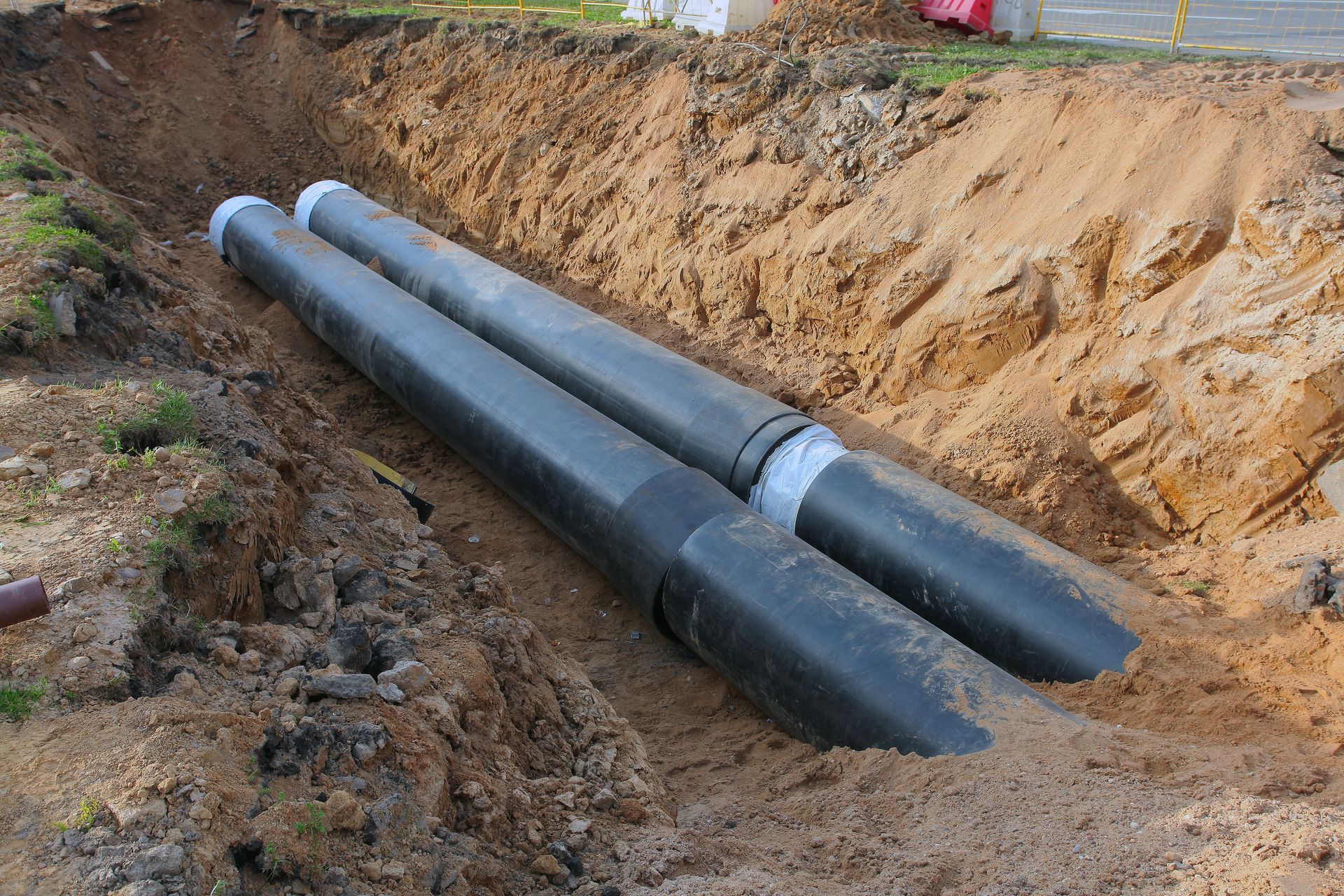
Trenchless sewer repair preserves your yard by fixing or replacing pipes with little to no digging.
Pipe Lining (Cured-in-Place Piping)
Pipe lining, also called cured-in-place piping or CIPP, involves inserting a resin-soaked liner into the damaged pipe. Once in place, the liner is inflated and allowed to harden, forming a smooth new inner surface inside the old pipe. This method works well when the existing pipe is damaged but still structurally intact on both sides. It may extend the life of a pipe by decades, and it is often completed in a single day for a single residential line. Pipe lining is typically the right choice for cracked or root-intruded pipes that have not collapsed entirely.
Pipe Bursting
Pipe bursting is the method used when a pipe is too damaged or deteriorated to line. A bursting head is pulled through the old pipe, fracturing it outward into the surrounding soil while simultaneously pulling a new pipe into place behind it. This approach requires minimal digging, usually just a small entry and exit point, and it can actually increase pipe diameter in some cases. Pipe bursting is often the preferred method for the older clay and cast-iron lines found in Kennesaw's more established neighborhoods.
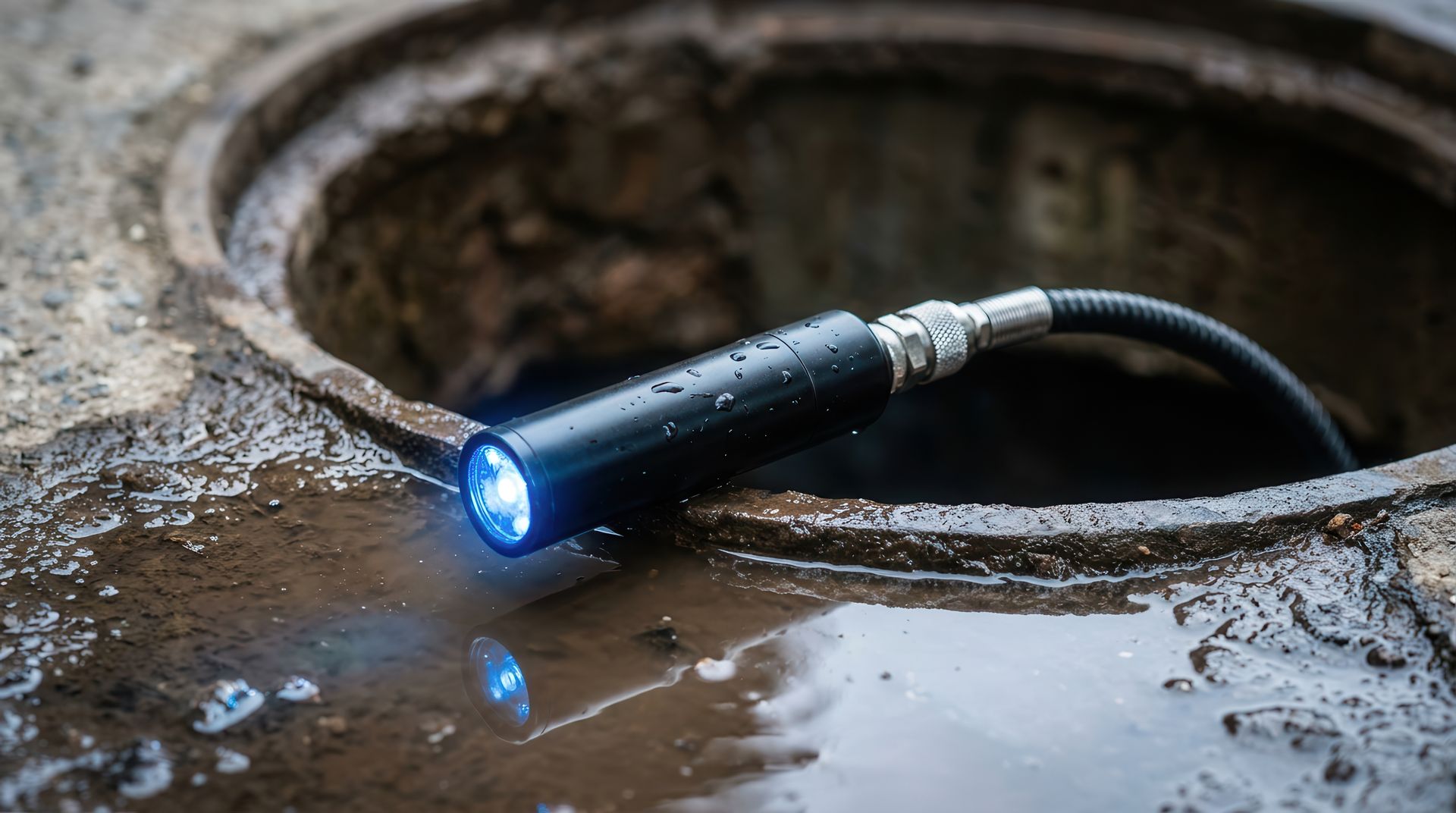
Both methods require a camera inspection first so a plumber can confirm which approach is appropriate for your specific pipe condition and layout.
What Homeowners Should Know About Cobb County Permits
Sewer line repair in Kennesaw, GA, requires permits before any repair begins. Under Cobb County ordinances, any project involving connection to or alteration of public water or sewer facilities requires a building permit review. For projects within Kennesaw city limits specifically, commercial permit applications must be submitted to both the Cobb County Fire Marshal's office and the Cobb County Water System. For residential repairs, your licensed plumber should confirm the exact permit requirements with the City of Kennesaw's community development department before work starts, as requirements can vary based on whether the work is inside or outside city limits. Under Cobb County code, devices used to move sewage from a home to the county wastewater system are the responsibility of the homeowner, not the county, which makes it especially important to address problems promptly and with proper documentation.
A licensed plumber will typically pull the necessary permits on your behalf and ensure all work meets state and local codes.
When Trenchless Repair May Not Be an Option
Trenchless methods are versatile, but they are not right for every situation. A plumber may recommend traditional excavation when:
- The pipe has fully collapsed with no structural integrity remaining.
- There is significant pipe offset or misalignment that prevents a liner or bursting head from passing through.
- The pipe runs beneath a slab foundation where access points cannot be established at both ends.
- Severe root intrusion has caused sections of pipe to completely separate.
- The pipe material is Orangeburg (a compressed tar-paper pipe used in some mid-century Kennesaw homes) that has deteriorated beyond trenchless viability.
A camera inspection before any repair is the only reliable way to know which method is appropriate. Skipping this step can lead to unexpected complications and additional costs. When traditional excavation is ruled out and conditions are favorable, trenchless sewer repair remains the most property-friendly path forward.
Ready to Get Expert Help Serving Kennesaw, GA?
If you suspect a sewer line problem, acting early may save you significant time and expense. Plumb Doctor, serving Kennesaw, GA, and the greater Cobb County area, offers sewer line repair and inspection services backed by advanced diagnostics and years of local experience. The team can assess your pipes, recommend the right repair approach for your specific situation, and handle the permitting process from start to finish.
To schedule an inspection or request a free quote for residential plumbing services, call (770) 912-8922 today. You can also find Plumb Doctor on Google to read reviews from Kennesaw and Cobb County homeowners who have trusted the team with their sewer and drain line needs. Do not wait for a small problem to become a major emergency.
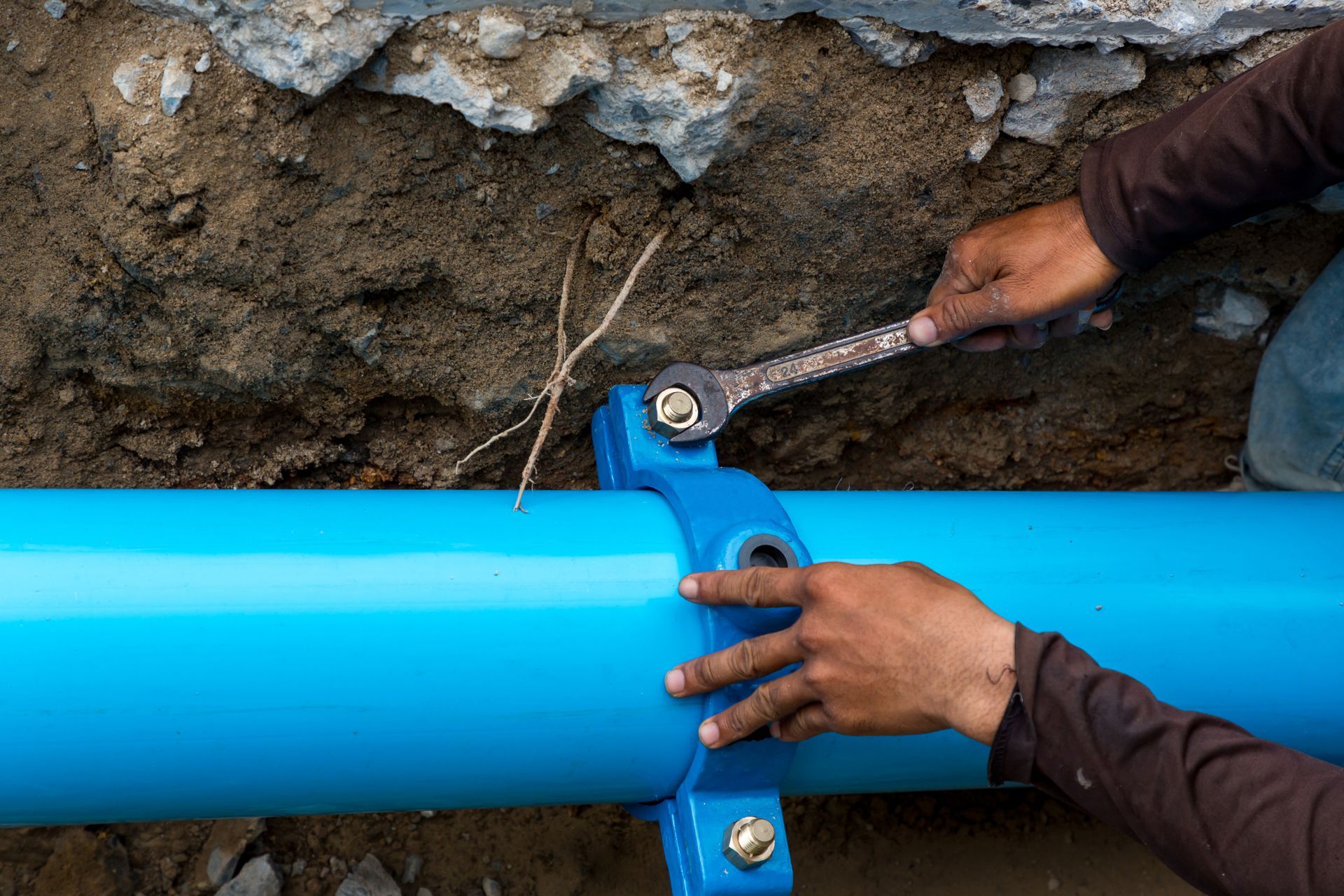
![Underground water line installed in a trench during utility infrastructure construction work.]](https://irp.cdn-website.com/7fcce050/dms3rep/multi/opt/AdobeStock_496158423-1920w.jpeg)