Georgia red clay soil puts water lines in Kennesaw, GA, under constant physical stress, and understanding why can help homeowners catch problems before they become costly emergencies requiring water line repair. Most people think water line damage happens suddenly, but in Cobb County, the real culprit is a slow, steady process that starts with the ground beneath the yard. Call Plumb Doctor at
(770) 912-8922
to get your water line checked before the clay does more damage.
What Georgia Red Clay Soil Actually Does to Underground Pipes
Georgia red clay is one of the most pipe-unfriendly soil types in the country. It expands when it absorbs moisture and contracts sharply when it dries out. That back-and-forth puts pressure on buried pipes, shifts joints out of alignment, and can crack or crush older lines over time. Kennesaw sits in Georgia's Piedmont region, where this clay dominates the soil across neighborhoods like Legacy Park and along corridors such as Stilesboro Road and Cobb Parkway.
The problem compounds because red clay has near-zero water permeability. When heavy summer thunderstorms hit, water pools around buried pipes, applying hydrostatic pressure while the soil swells. When the clay dries out again, it pulls back, leaving voids around joints and connections that were never designed to flex that way.
The Wet-Dry Cycle Is the Core Threat
Each wet season followed by a dry stretch counts as one stress cycle for your water line. Over years, those cycles add up. Pipe joints loosen, small cracks form, and PVC lines can shift off grade. Older cast-iron or galvanized lines corrode faster when surrounded by consistently moist, mineral-rich clay soil.
How Kennesaw's Climate Makes This Worse
Kennesaw's seasonal weather adds stress on top of the soil problem. Georgia winters are mild, but temperatures in Cobb County do dip below freezing. Older homes with crawl space foundations near Downtown Kennesaw or off Burnt Hickory Road can experience pipe freezes during cold snaps. When clay-stressed joints meet a sudden freeze, failure risk increases significantly.
Georgia also averages more annual rainfall than most of the country, and summer storms deliver water faster than clay can manage. Water line repair needs in Kennesaw, GA, often spike after heavy rain followed by dry periods, precisely because the soil stress cycle accelerates under those conditions.
Warning Signs Kennesaw Homeowners Should Watch For
If your water line is struggling, your home often gives early signals. Watch for a sudden unexplained drop in water pressure, wet patches or soft ground in the yard when it has not rained recently, discolored or rusty water from the tap, an unexpectedly high water bill, or the sound of running water when no fixtures are in use. Catching the problem early may limit damage to landscaping and your home's foundation, and prompt water line repair can prevent those warning signs from turning into a full emergency.
Tree Roots, Aging Pipes, and the Cobb County Water System
Mature trees make Kennesaw neighborhoods beautiful, but root systems are a serious threat to water lines. Neighborhoods near Kennesaw Mountain and Legacy Park tend to have older trees with deep roots that seek moisture in underground pipes. A small clay-stress leak can attract roots, which then widen the crack over time.
Older homes around Downtown Kennesaw may also have original galvanized steel or cast-iron supply pipes decades past their reliable service life. Those materials corrode faster in Georgia's moisture-holding clay, and Cobb County-Marietta Water Authority's water chemistry can accelerate internal oxidation as well. Newer developments along Cobb Parkway are not immune, as shifting clay affects even relatively young PVC lines, particularly at connections and joints.
What Homeowners Can Do to Protect Their Water Lines
Prevention starts with awareness. Schedule a professional water line repair inspection if your home is more than 20 years old and has never had one. Monitor your water bill monthly and investigate unexplained increases. Avoid planting large trees or shrubs with aggressive root systems near your main water line. Know where your main shut-off valve is located before a problem occurs. After severe storms followed by dry spells, walk the yard and check for soft spots or unusual wet areas.
If you notice warning signs, acting quickly matters. A small, isolated
water line repair
addressed early is far less disruptive and costly than a full-line failure that has been developing undetected for months.
When to Call a Professional for Water Line Help
If you have more than one warning sign at the same time, such as low pressure alongside wet yard spots or discolored water, call a licensed plumber right away. Underground leaks do not self-correct, and clay soil conditions in Cobb County mean surrounding soil damage can spread faster than in areas with better drainage. A licensed plumber serving Kennesaw, GA, can locate a leak precisely using diagnostic equipment and recommend whether a targeted repair or section replacement makes the most sense for your situation. You can find Plumb Doctor on Google Maps for business details and location information before you call.
Frequently Asked Questions About Water Lines and Georgia Red Clay Soil
Why Does Red Clay Soil Damage Water Lines More Than Other Soil Types?
Red clay expands when wet and contracts when dry. That repeated movement applies physical stress to buried pipe joints, causing misalignment, cracking, and eventual leaks. Most other soil types allow water to drain away more quickly, reducing the duration and intensity of that pressure.
How Often Should Kennesaw Homeowners Inspect Their Water Line?
A professional inspection every few years is a reasonable starting point for homes over 20 years old. Homes with older pipe materials, large trees near the water line, or a history of low pressure or discolored water may benefit from more frequent checks.
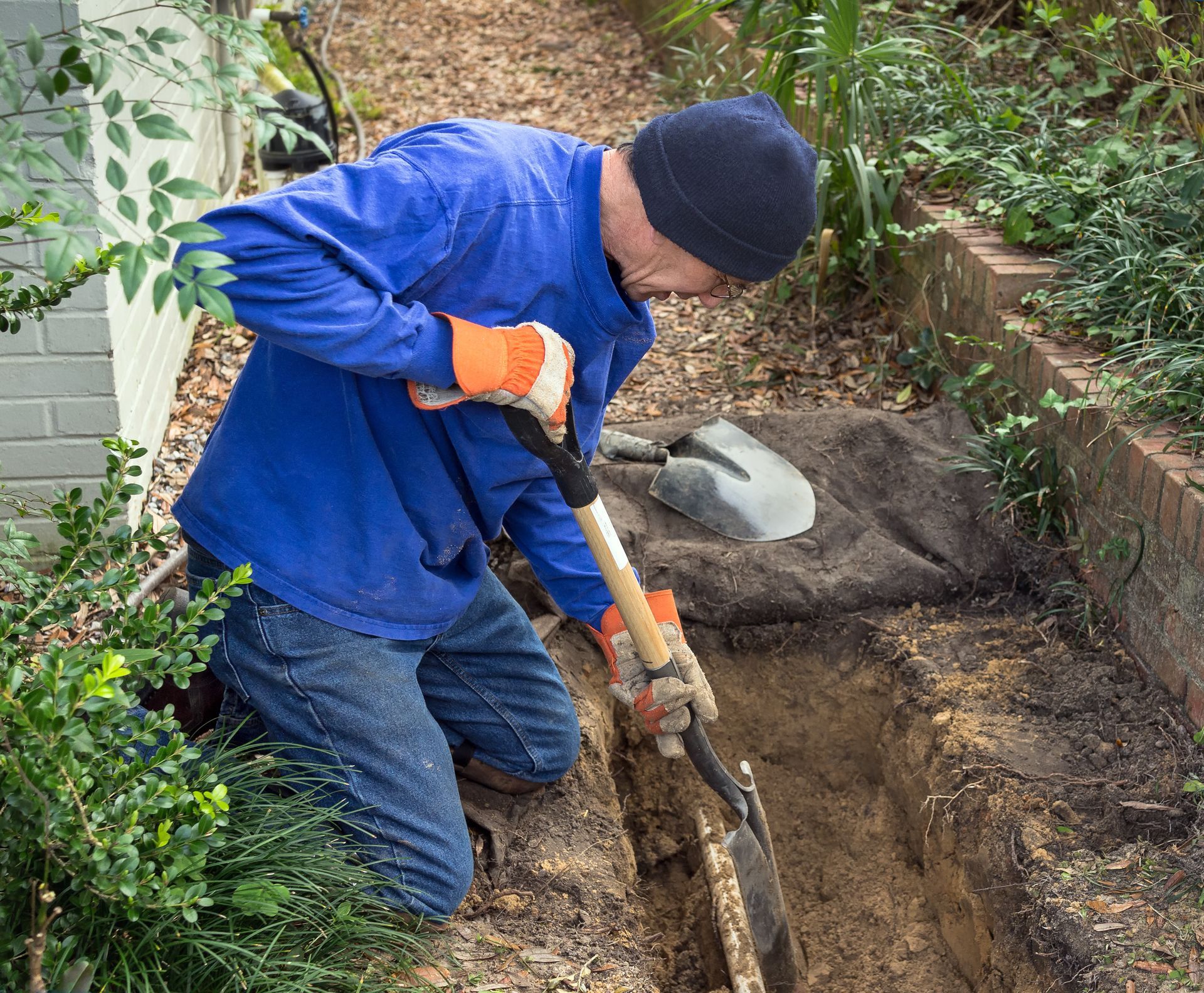
Can a Water Line Be Repaired Without Digging Up the Whole Yard?
In many cases, yes. Licensed plumbers can use diagnostic tools to pinpoint the exact location of a problem, limiting excavation to the affected area. The right approach depends on the pipe material, the extent of the damage, and the inspection findings.
What Is the Difference Between Water Line Repair and Replacement?
Repair addresses a specific damaged section while leaving the rest of the line intact. Replacement involves installing new pipe for a section or the full line, and is typically recommended when the existing pipe is severely corroded, has failed in multiple spots, or is approaching the end of its reliable service life.
Get Expert Water Line Help Serving Kennesaw, GA
Georgia red clay soil is not a problem you can change, but you can stay ahead of it with the right knowledge and the right team.
Plumb Doctor
serves Kennesaw, GA, and the greater Cobb County area, offering
water line repair
, diagnosis, and replacement backed by local expertise. Call
(770) 912-8922
today to schedule service or request a free quote, available 24 hours a day, seven days a week. You can also
reach the team online
to get started. Our Google Maps profile lists our business details and location information, so you can confirm where we are before scheduling.



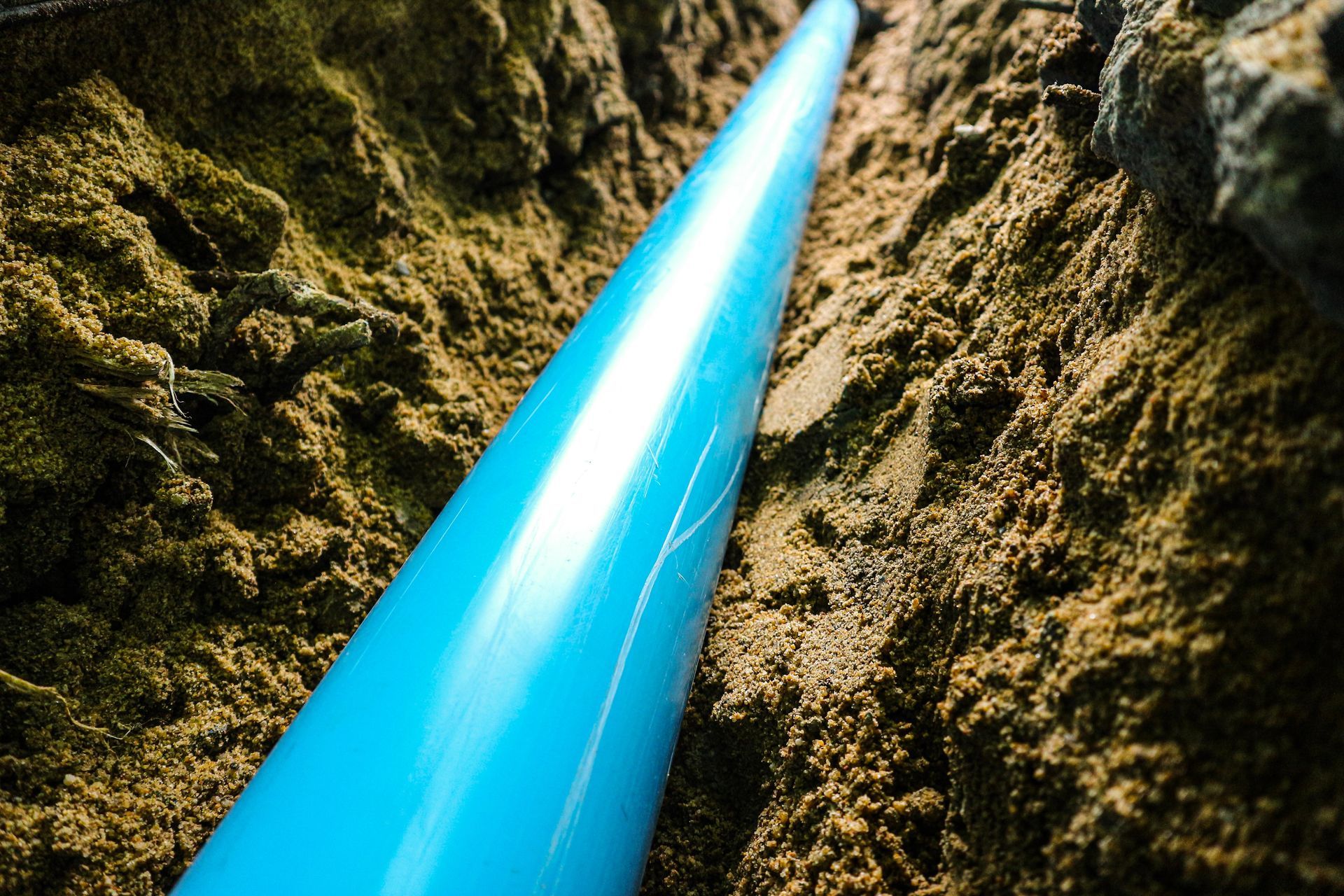
![Underground water line installed in a trench during utility infrastructure construction work.]](https://irp.cdn-website.com/7fcce050/dms3rep/multi/opt/AdobeStock_496158423-1920w.jpeg)