
Trenchless Sewer Repair vs. Traditional Digging: What Kennesaw Homeowners Should Know in 2026
October 27, 2026
Sewer line repair in Kennesaw, GA, presents homeowners with a real choice: trenchless methods or traditional open-cut excavation. Understanding the difference can save you time, money, and a significant amount of landscaping. This guide breaks down pipe lining, pipe bursting, and traditional digging so you can have a more informed conversation with your plumber before any work begins. If you already know you need help, call Plumb Doctor at (770) 912-8922
to schedule an inspection right away.
Why Kennesaw Homes Face Higher Sewer Line Risk
Kennesaw sits in Georgia's Piedmont region, where red clay dominates the soil. Clay expands when wet and contracts when dry, placing constant stress on pipe joints over time.
Neighborhoods near Kennesaw Mountain, Legacy Park, and Burnt Hickory Road tend to have mature trees with aggressive root systems that seek out moisture in underground pipes, cracking or clogging a sewer line before any warning signs appear inside the home.
Older homes near Downtown Kennesaw may still have original clay or cast-iron pipes that corrode and collapse with age. Newer developments along Stilesboro Road and Cobb Parkway are not immune, since shifting red clay can affect even younger PVC lines.
What Are the Three Main Repair Methods?
Three options are available for sewer line repair in Kennesaw, GA, and each works best under different conditions.
Pipe Lining (CIPP)
CIPP stands for cured-in-place pipe lining. It works best when the existing pipe still holds its shape but has cracks, joint failures, or root intrusion. A resin-saturated liner cures inside the old pipe to seal it, typically requiring very little digging and often working through an existing cleanout. This method is a strong fit for Kennesaw's older clay and cast-iron lines that show cracking or root intrusion but have not fully collapsed.
Pipe Bursting
Pipe bursting is the better fit when a pipe has collapsed or is too deteriorated to host a liner. It fractures the old pipe outward while pulling a new one into place. If your current line is undersized, bursting lets you install a larger diameter pipe, a useful benefit for older Kennesaw homes with smaller original sewer runs. Both lining and bursting require only small access pits rather than a full trench.
Traditional Open-Cut Excavation
Open-cut excavation involves digging a trench along the full length of the damaged pipe. It is more disruptive but may be the only option when a line shows a belly, a full collapse, or needs a new alignment. Neither lining nor bursting restores grade. A liner cures to the sagged shape and a burst pulls the new pipe down the same low path, so standing water can return. A bellied section must be excavated and re-laid to grade on compacted bedding.
How to Choose the Right Method for Your Home
A camera inspection is the essential starting point. Your pipe's actual condition determines the right repair.
Use pipe lining if
your pipe has cracks, leaking joints, or root intrusion but still holds its round shape, or if the line runs under finished surfaces like a patio or driveway.
Use pipe bursting if
the pipe is severely deteriorated or partially collapsed, or if you need to upsize capacity and the original material is clay or cast iron no longer structurally sound.
Use open-cut excavation if
the pipe has caved in completely (bursting needs enough integrity to guide the bursting head, and CIPP cannot line a collapsed section), if grade problems are causing waste to pool, or if the line needs full rerouting.
What Trenchless Repair Means for Your Yard and Timeline
Trenchless methods are significantly faster and less invasive than open-cut work. Traditional digs can leave your yard unusable for a week or more. Trenchless work is often completed in one to two days.
In Kennesaw, where established neighborhoods feature mature landscaping, ornamental trees, and finished outdoor spaces, avoiding a full trench can preserve years of yard investment. Sod, garden beds, driveways, and walkways above your sewer run remain largely undisturbed with lining or bursting.
Even trenchless methods require some surface access. Lining often works through existing cleanouts or one small pit. Bursting needs an entry pit, an exit pit, and surface room to assemble the fused pipe string.
A Simple Decision Checklist Before You Call a Plumber
Before scheduling sewer line repair service, consider these questions:
- Have multiple drains in the home slowed or backed up at once?
- Is there a foul odor in the yard or near outdoor cleanouts?
- Has your yard developed soft spots or unusually green patches near the sewer line path?
- How old is your home, and do you know the original pipe material?
- Are there large trees near the sewer line route?
Your answers help a qualified plumber narrow down the likely issue before the camera inspection even begins.
Do I Need a Permit for Sewer Line Repair in Cobb County?
Cobb County typically requires a permit for sewer line repair or replacement work. Requirements vary depending on scope and whether work affects the public right-of-way. A licensed plumber can confirm what is needed and handle the permitting process.
Can Trenchless Repair Work on Any Pipe Material?
Trenchless methods work on many common materials including clay, cast iron, and PVC. However, the pipe must retain enough structural integrity to allow a lining or bursting head to pass through. A camera inspection confirms whether your specific pipe qualifies.
Ready to Protect Your Home? Talk to Plumb Doctor
Choosing the right sewer repair method requires professional guidance. Find Plumb Doctor listed on Google Maps
for location details and directions, serving Kennesaw, GA, and the greater Cobb County area. The team can inspect your line, identify the right approach for your soil conditions and pipe materials, and handle the job from start to finish. Call (770) 912-8922
to schedule an inspection or request a free quote. You can also contact the team online
for a fast response, or learn more about available sewer line services
before you reach out.
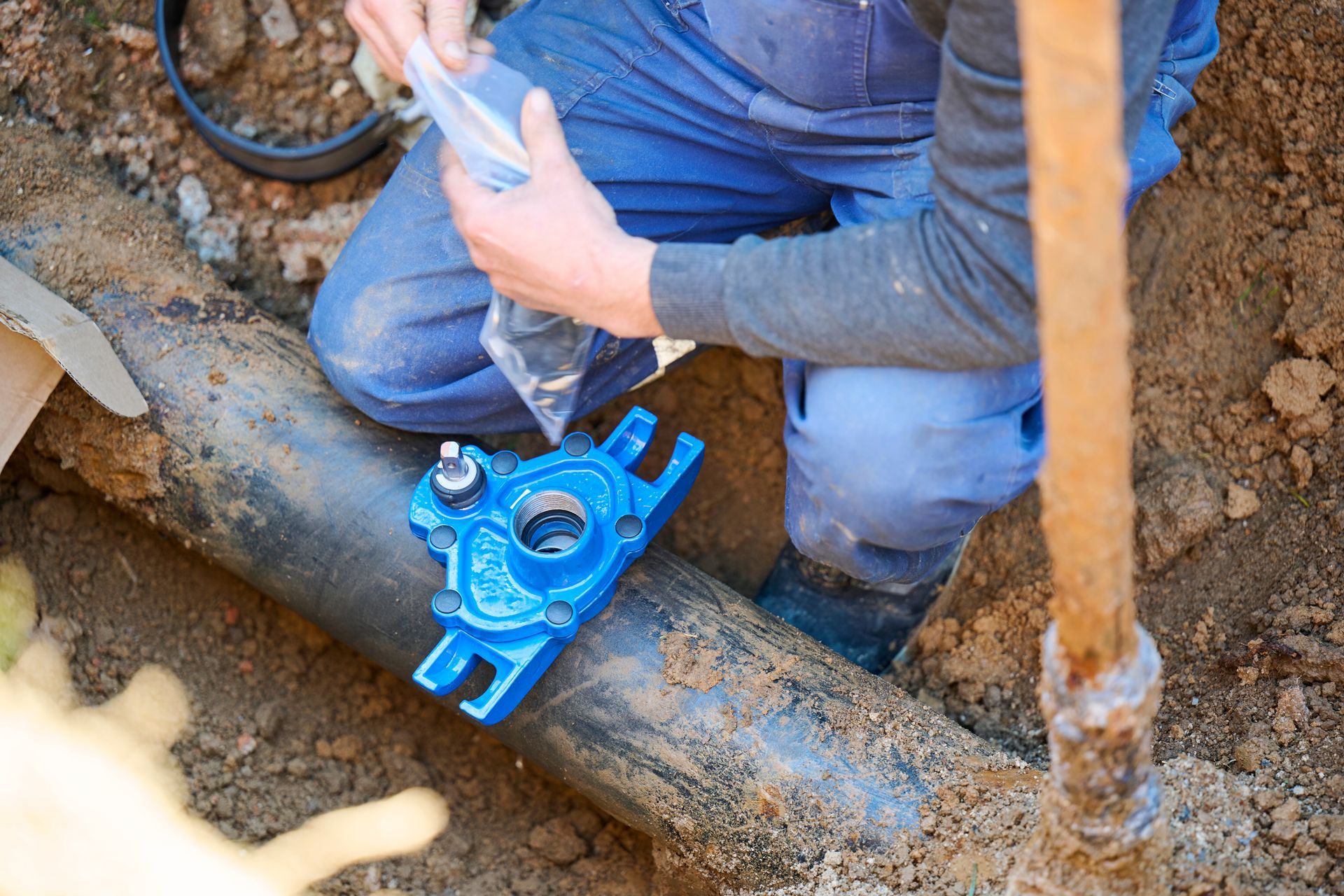
Georgia red clay can crack your water line. Plumb Doctor offers expert Water Line Repair in Kennesaw, GA. Call (770) 912-8922 for a free quote today!

Need plumbing contractors in Kennesaw, GA? Verify licenses, avoid red flags, and hire right. Call Plumb Doctor 24/7 at (770) 912-8922 for a free quote.
Is your water heater on its last legs? Signs it’s time to replace it in Marietta, GA, tank vs. tankless, and $150 off through 10/31. Call 770-912-8922.
Learn PEX vs. copper for water line replacement in Woodstock, GA. Plumb Doctor covers warning signs, soil impacts, and what to expect. Call today.
![Underground water line installed in a trench during utility infrastructure construction work.]](https://irp.cdn-website.com/7fcce050/dms3rep/multi/opt/AdobeStock_496158423-1920w.jpeg)
Learn when sewer line replacement in Woodstock, GA, requires a permit. Plumb Doctor guides homeowners through the process. Call for a free quote.
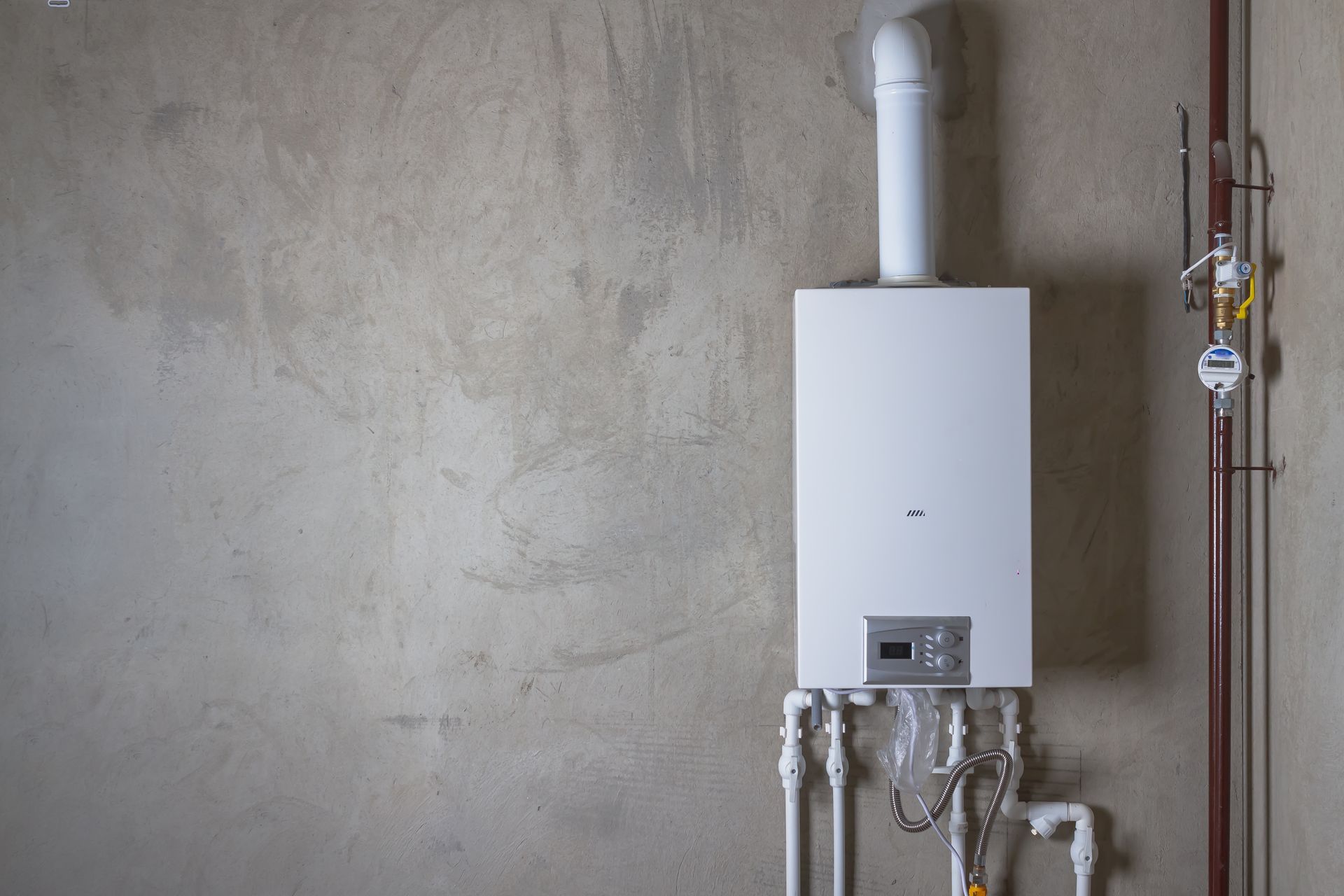
Tank or tankless? Plumb Doctor helps Kennesaw homeowners choose wisely. Get expert water heater repair in Kennesaw, GA. Request a free quote today!
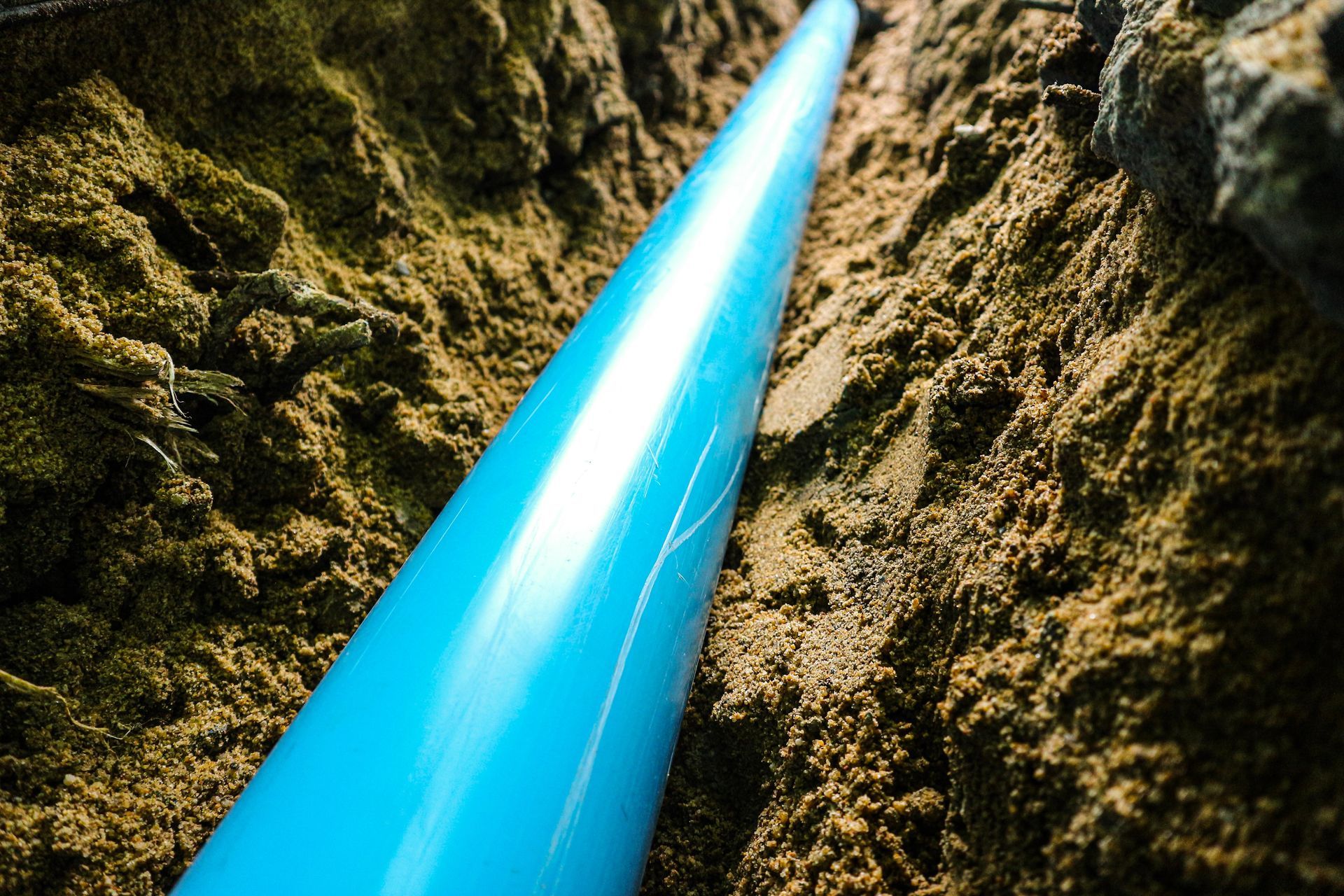
Considering sewer line repair in Kennesaw, GA? Plumb Doctor explains trenchless pipe lining vs. pipe bursting. Request a free quote today.
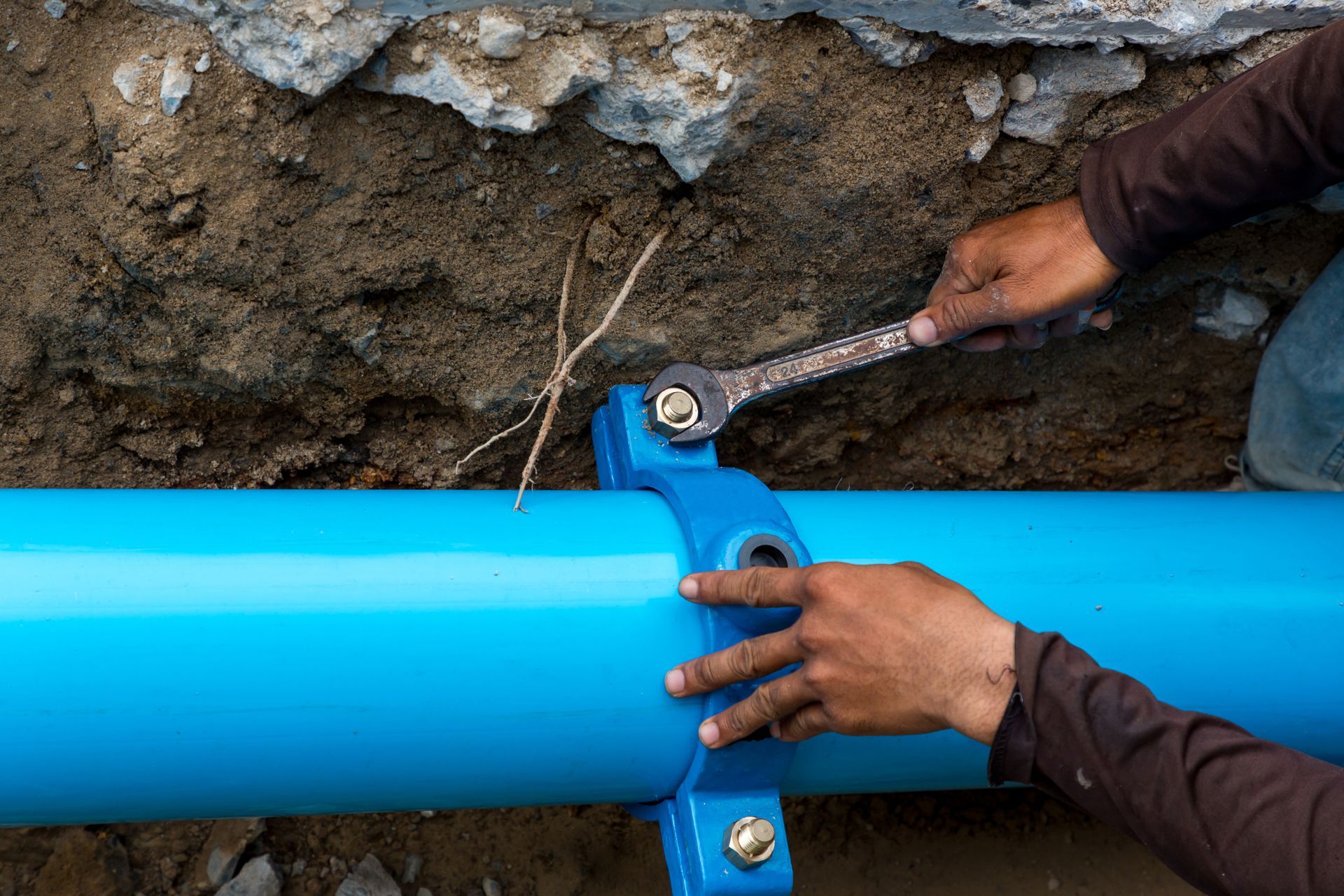
Need water line repair in Kennesaw, GA? Plumb Doctor helps Cobb County homeowners choose repair vs. replacement. Get expert advice. Call today.
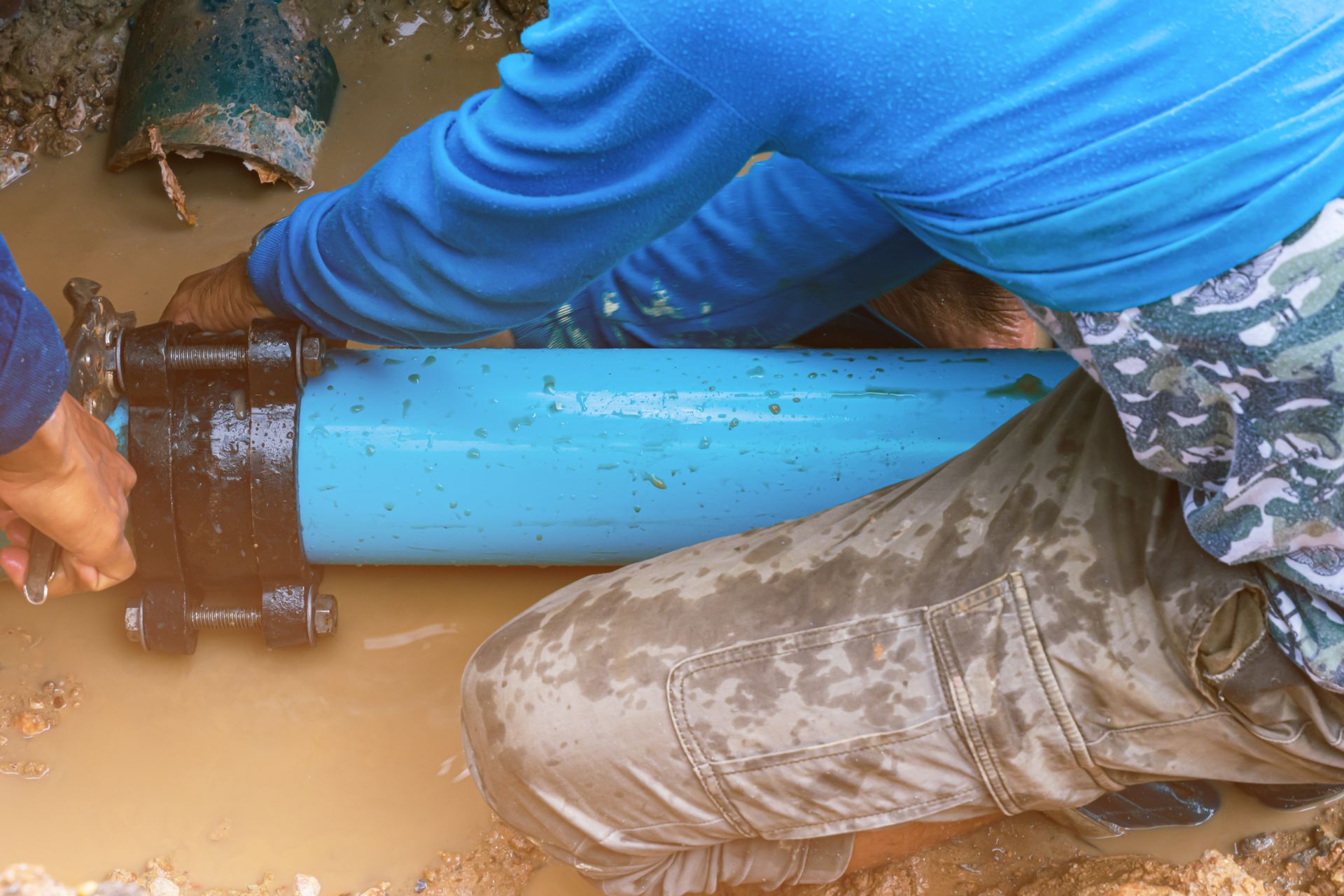
Learn the top warning signs of a broken main water line. Plumb Doctor provides expert water line repair in Woodstock, GA. Call for a fast, free quote today.

Plumb Doctor was voted Best Plumbing Company in the 2026 My Woodstock/Canton awards. See why local homeowners trust our team for plumbing service.